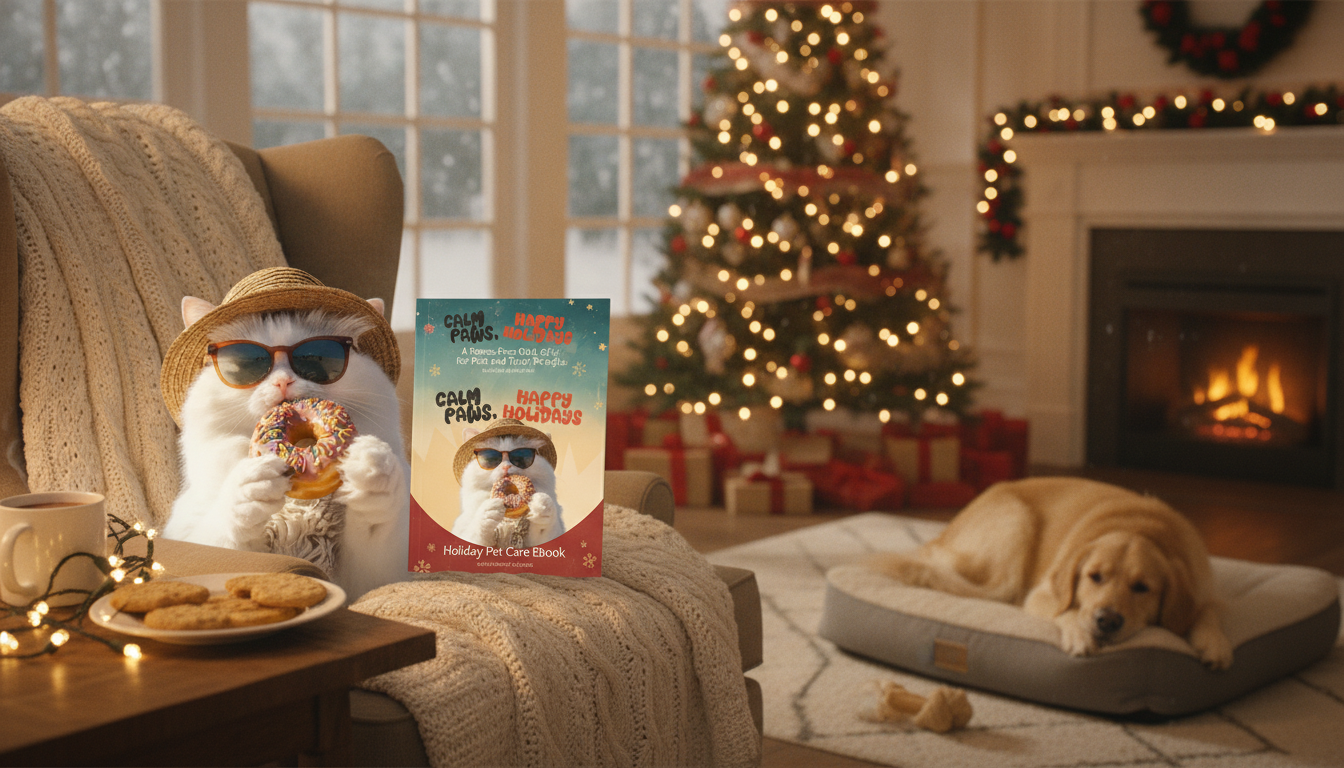
Holidays can feel magical for humans and genuinely confusing for pets. A house that’s usually predictable suddenly has visitors, doorbells, new scents, loud music, travel plans, and tempting food within reach. The good news: a calmer season rarely requires perfection—just a simple plan that keeps routines steady, reduces surprises, and gives your pet a reliable place to decompress before stress turns into problem behavior.
Most dogs and cats thrive on patterns. When those patterns shift quickly, stress can rise even in normally easygoing pets.
When you spot early signals, you can intervene sooner with quiet breaks, distance from guests, and structured enrichment—before stress stacks up.
The best holiday strategy starts before the doorbell rings. Create a “safe zone” that stays consistent no matter how busy the house gets: a spare bedroom, office corner, or laundry room that’s away from entrances and foot traffic.
| Item | Why it helps | Best practice |
|---|---|---|
| Bed or crate | Creates a predictable retreat | Place away from doors and high-traffic areas |
| Water + chew/puzzle | Encourages settling and self-soothing | Offer when guests arrive or during loud moments |
| Baby gate/closed door | Prevents door-dashing and crowding | Use signage so visitors know not to enter |
| White noise or fan | Softens sudden sounds | Start before noise begins to mask spikes |
| Leash/harness ready | Improves control at the door | Clip on before opening the door to guests |
If you want a printable, step-by-step plan that’s easy to follow during hectic days, Calm Paws, Happy Holidays: A Stress-Free Guide for Pets and Their People – Holiday Pet Care eBook is a practical add-on for families juggling guests, kids, and multiple caregivers.
Holiday stomachaches are common—and many are preventable with one rule: no “just this once” feeding from the table.
For a quick reference on what not to feed, the ASPCA Animal Poison Control list is a strong resource. For xylitol-specific safety information, see the FDA warning on xylitol and pets.
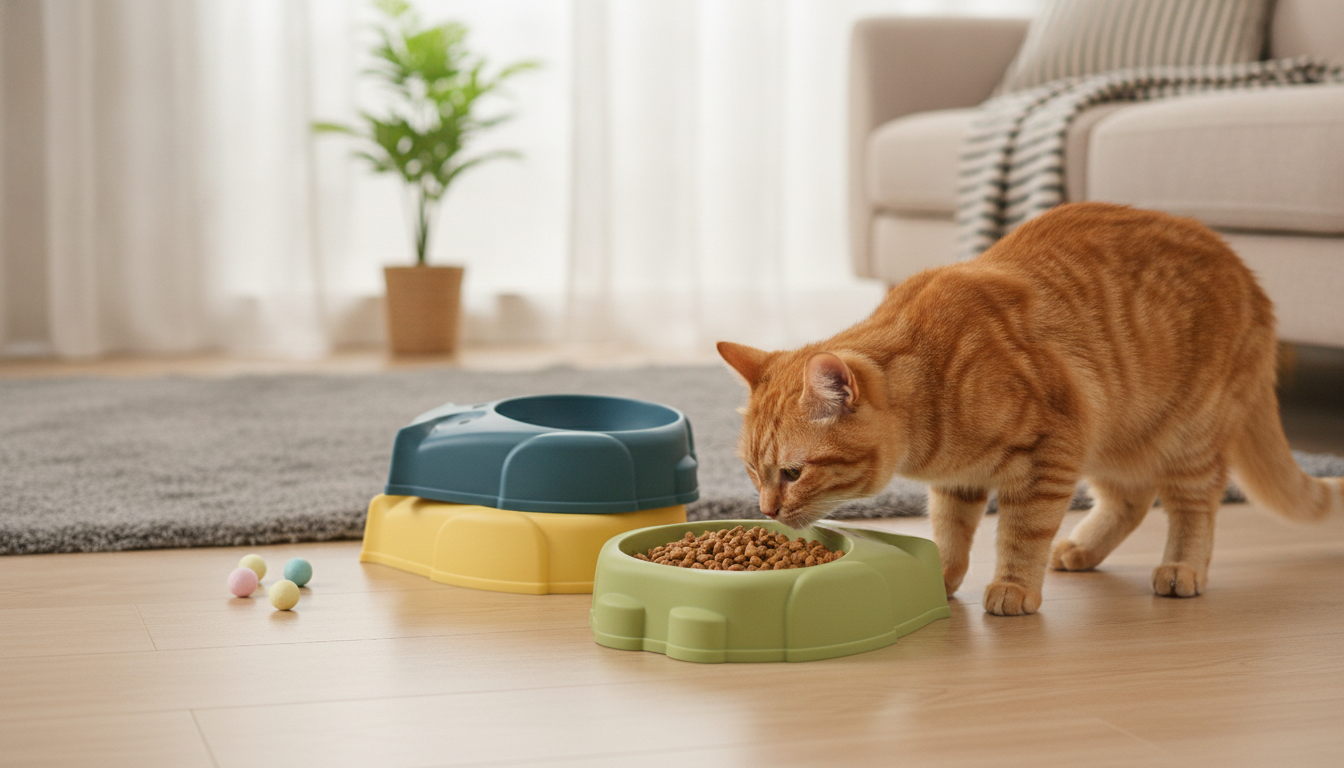
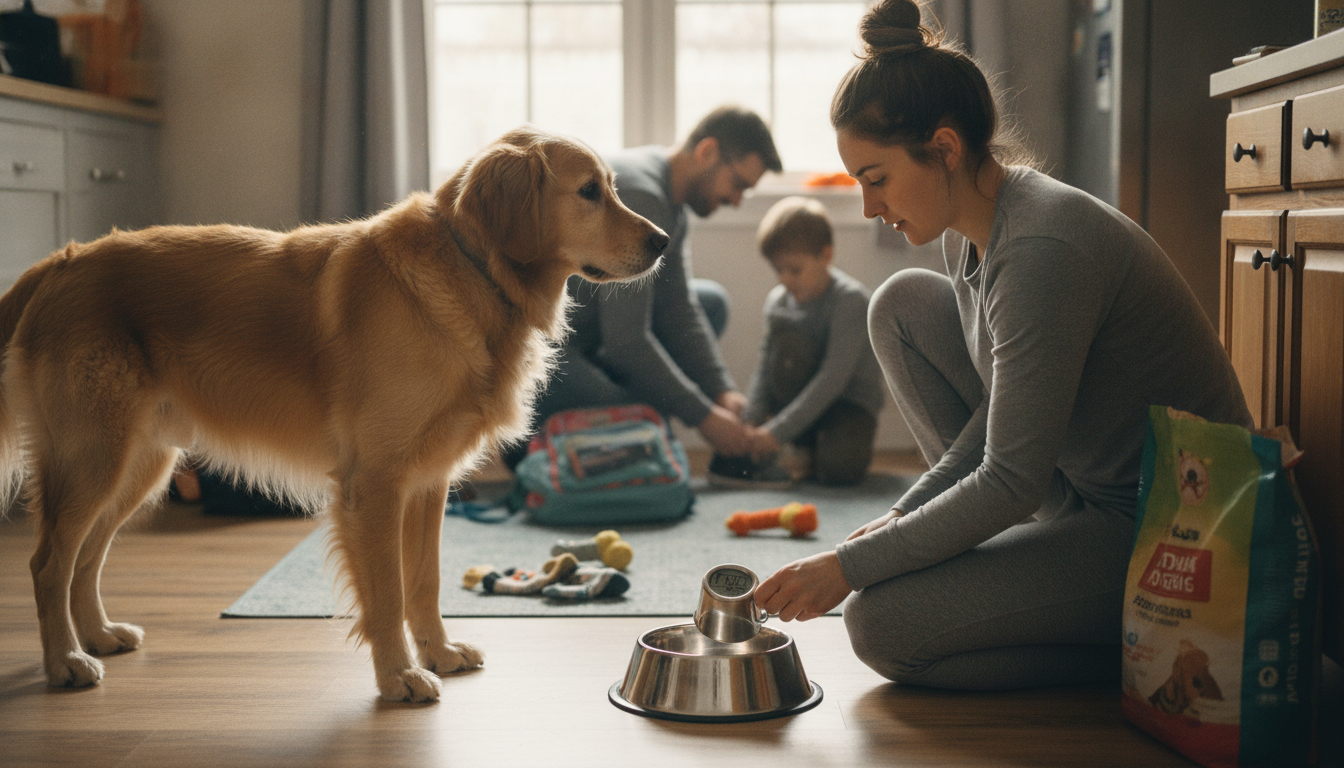
A steady feeding station can also reduce food-related chaos—especially in multi-pet homes—so meals feel consistent even when the schedule gets busy. Consider a non-slip option like the Cartoon Owl Anti-Slip Pet Bowl – Large Capacity for Cats & Dogs.
Most holiday stress spikes at the front door. A simple greeting routine protects guests, kids, and pets—and prevents escapes.
For controlled arrivals and calmer walks between events, a secure harness can make a big difference. The Cute Bear Pet Harness Leash Set for Dogs & Cats is an easy grab-and-go option to keep at the door during busy visiting days.
For more general seasonal safety reminders (including travel), the AVMA holiday safety tips are worth a quick read.
If you like having a one-page action plan ready to go, Thunderstorm Anxiety in Pets: Quick-Action Checklist can be used for fireworks nights too—especially when multiple family members need to follow the same steps.
Set up a quiet safe zone, leash or separate your pet before opening the door, and ask guests to toss treats rather than crowding for pets. Use short reset breaks throughout the visit, and avoid forced interaction—persistent fear or aggression may need veterinary behavior support.
Common risks include chocolate, xylitol, grapes/raisins, onions/garlic, alcohol, and fatty foods or bones. Prevent access with a strict no-feeding rule and secured trash; if ingestion happens, contact a veterinarian or pet poison control immediately.
Keep your pet indoors, close curtains, and run white noise before fireworks start, while providing a hiding spot or safe zone. Comfort them if they seek it without restraining them, and talk with your vet ahead of time if panic is severe or recurring.









Leave a comment