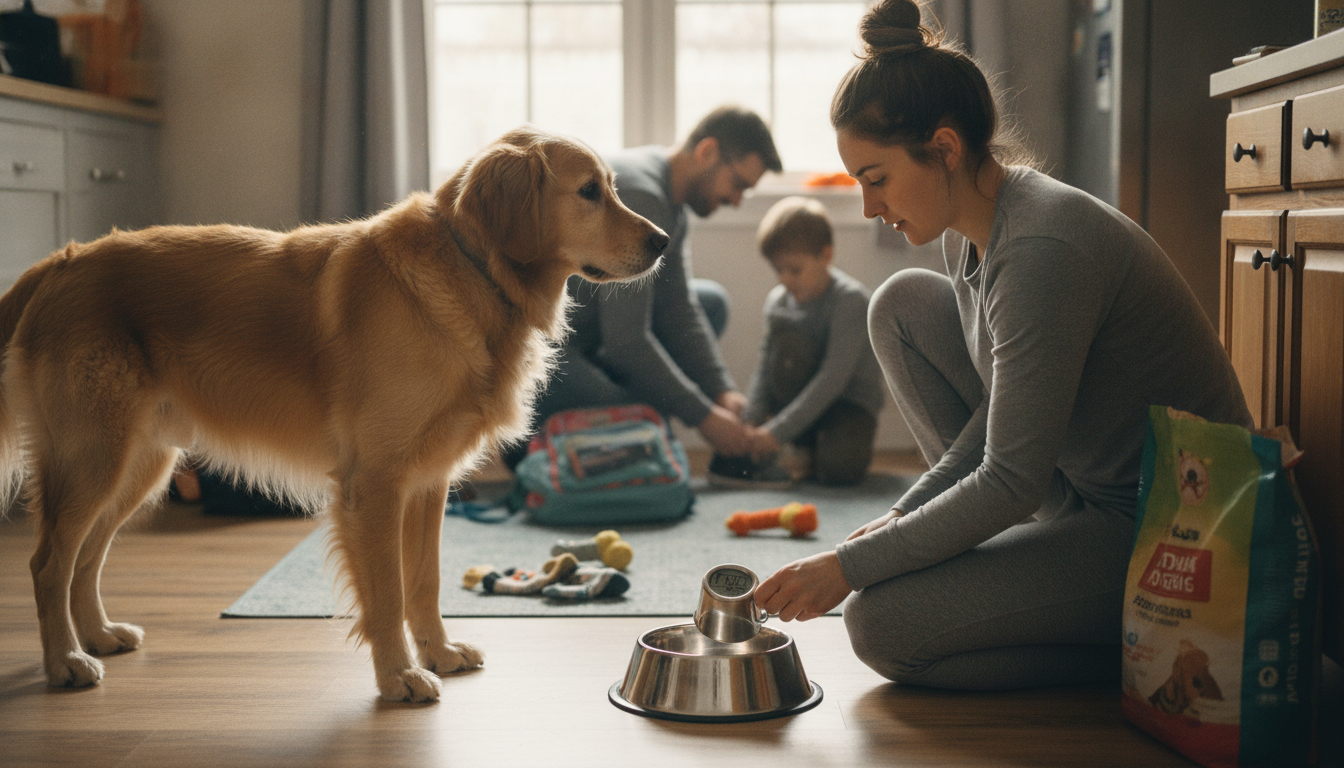
The 15 minute rule for dog food is a simple feeding guideline: put your dog’s meal down, give them about 15 minutes to eat, then pick the bowl up—whether it’s empty or not. The goal is to prevent grazing, improve mealtime structure, and make it easier to notice appetite changes quickly.
Serve a measured portion at a set time, then step back and let your dog eat without constant coaxing. After roughly 15 minutes, remove the bowl and don’t offer more food until the next scheduled meal. Water should remain available at all times.
This approach can help dogs who nibble all day, ignore meals, or act picky because they’ve learned food stays available. A predictable routine often supports better digestion, easier housetraining for puppies, and more reliable hunger cues—useful for training rewards and maintaining a healthy weight.
Not every dog is a fit for strict meal timing. Puppies, dogs with medical conditions (like diabetes), underweight dogs, or dogs with a history of food insecurity may need a different plan. If your dog suddenly refuses food, vomits, seems lethargic, or stops eating for a full day, contact your veterinarian promptly.
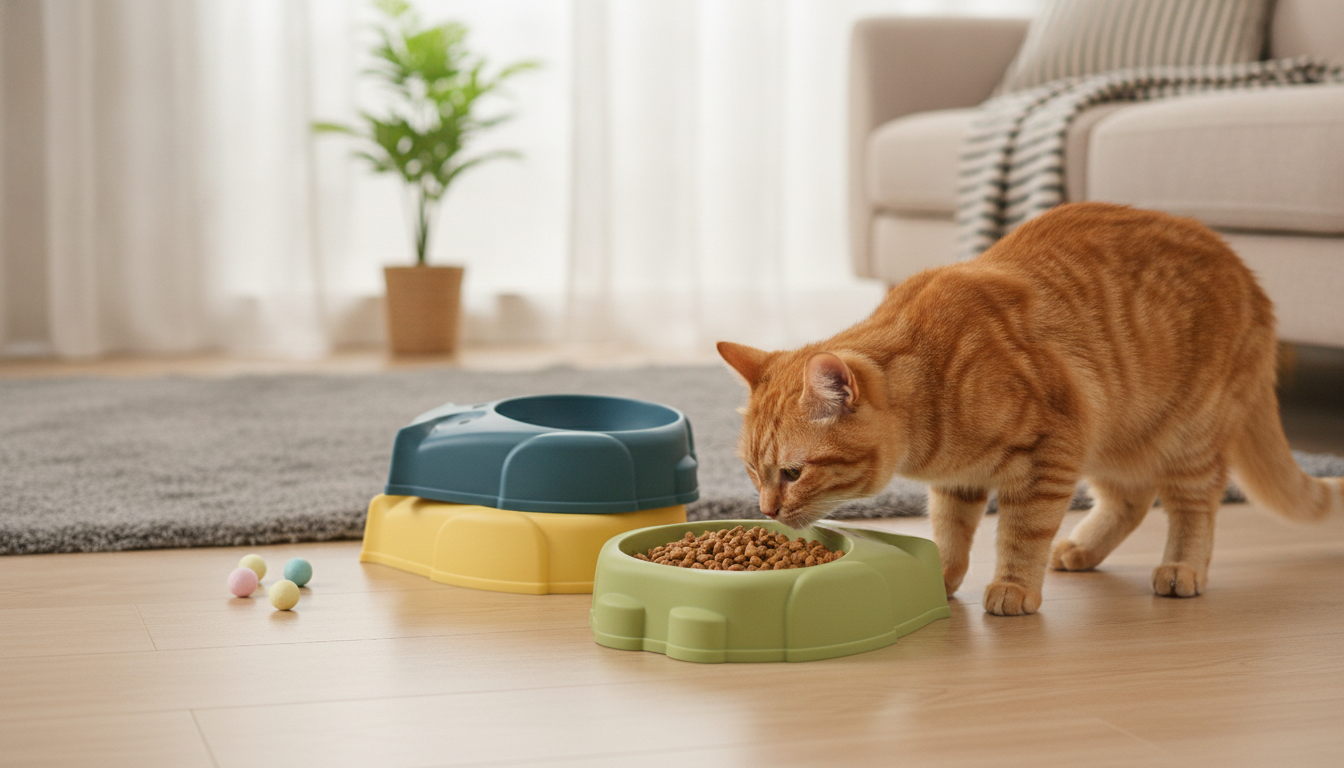
Start by keeping meal times consistent and limiting extra treats between meals. If you’re switching from free-feeding, ease into it over several days. For multi-dog homes, feed separately so one dog doesn’t intimidate another. If your dog finishes too fast, consider a slow feeder bowl rather than adding extra portions.
For a deeper look at how timing, portions, and routines can affect appetite and behavior, visit the full guide here: What is the minute rule for dog food?
Most adult dogs do well with two meals per day, while many puppies need three or more smaller meals. Your dog’s age, size, activity level, and health can affect the best schedule.











Leave a comment