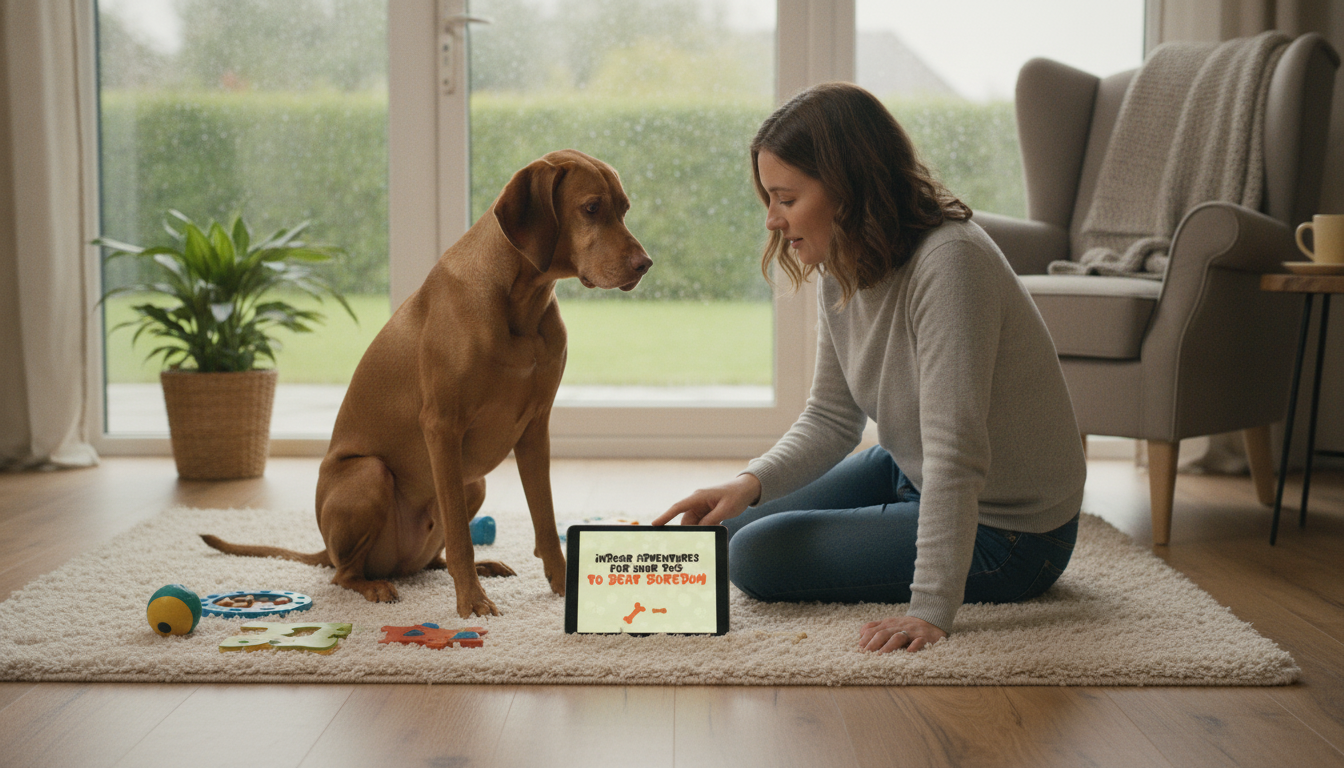
When walks get shortened by weather, schedules, or recovery time, dogs still need outlets for energy and curiosity. Indoor play can do more than “tire them out”—it can build confidence, reduce nuisance behaviors, and strengthen focus. The ideas below combine movement, sniffing, and problem-solving so boredom doesn’t take over the house. For more guidance, see Canine Enrichment – 5 Tips to Engage Your Dog’s Mind and Body.
Many dogs relax faster after activities that engage their nose and brain. The Humane Society notes enrichment helps meet a dog’s natural needs and can reduce problem behaviors (Humane Society of the United States — Enrichment for your dog). For further reading, see Canine DIY Enrichment – ASPCA.
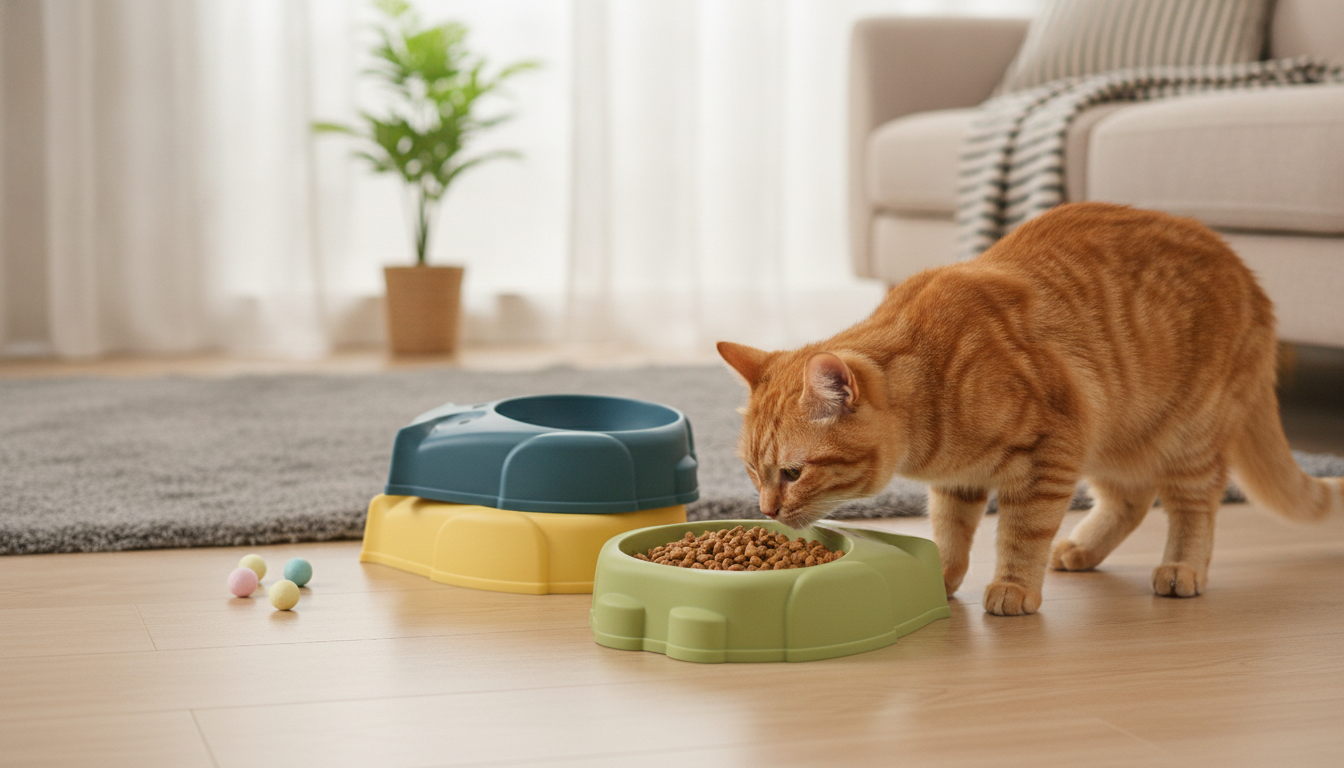
For food-based games, a stable, non-slip feeding setup can help keep bowls from skittering during quick refills or water breaks. The Cartoon Owl Anti-Slip Pet Bowl – Large Capacity for Cats & Dogs is an easy upgrade for households that do a lot of treat prep and puzzle rotations.
| Game | Best for | Difficulty | Time needed | Tips |
|---|---|---|---|---|
| Treat scatter | All dogs, first-timers | Easy | 5–10 min | Use a towel for less mess and more challenge |
| Find it (room) | Dogs with basic focus | Medium | 10–15 min | Reset with a sit/stay or have the dog behind a door |
| Muffin tin puzzle | Food-motivated dogs | Easy–Medium | 5–10 min | Start with fewer covered treats; increase covers over time |
| Scent trail | Nose-work lovers | Medium | 10–15 min | Make turns and add a hidden jackpot at the end |
| Cardboard foraging box | Busy, curious dogs | Medium | 10–20 min | Supervise; remove small pieces if shredding escalates |
If your dog loves these, you can build a weekly rotation that gradually increases difficulty. The American Kennel Club shares additional brain game ideas that pair well with short indoor sessions (American Kennel Club — Brain games for dogs).
For dogs that still need quick potty breaks between storms, a comfortable harness can make short outdoor trips smoother. The Cute Bear Pet Harness Leash Set for Dogs & Cats is a simple option to keep by the door for quick transitions.
Dogs that get “wired but tired” often do better with brain work plus a deliberate cool-down. The RSPCA also emphasizes mental stimulation as a daily need, especially when physical activity is limited (RSPCA — Mental stimulation for dogs).
If you’d rather not plan on the fly, a structured guide can make it easier to stay consistent. Indoor Adventures for Your Dog to Beat Boredom – eBook for Indoor Dog Fun, Games, and Mental Stimulation is designed for quick pick-and-play options and repeatable progressions.
Some households also see seasonal spikes in stress (guests, noise, schedule changes). For a calmer routine during high-disruption times, Calm Paws, Happy Holidays: A Stress-Free Guide for Pets and Their People – Holiday Pet Care eBook can help you keep predictable patterns when life gets loud.
Aim for 5–15 minute sessions, 2–5 times per day depending on your dog’s age and energy level. End with a calm cue (like “mat” or “bed”) so excitement doesn’t linger, and keep sessions shorter for puppies and seniors.
Sniffing and foraging games, targeting, and trick training are typically the safest because they’re low-speed and low-impact. Avoid high-speed fetch on slippery floors, and keep dogs off stairs during play to reduce slips and strains.
They can supplement outdoor time and may stand in temporarily during bad weather or recovery, especially when you use sniffing and training games. Most dogs still benefit from outdoor sniffing, so add brief potty/sniff breaks when possible.











Leave a comment